
- Start With Strategy, Not Visuals
- What Are the Key Elements of Packaging Design
- Structural Design vs. Graphic Design
- Choosing Materials
- What Software Is Used for Packaging Design
- Creating the Dieline
- Designing for Print Production
- Prototyping and Testing Before You Commit
- What Are Some Examples of Great Packaging Design
- Common Packaging Design Mistakes to Avoid
- DIY vs. Hiring a Professional Packaging Designer
- Get Started With Webnhubs for Packaging Design
- Final Thoughts
Your product could be really great. But people often look at the packaging first. Whether it is on a store shelf or shown in a picture, you have about three seconds to get someone’s attention.
That is why packaging is more than making a box look good. It also involves picking the right shape, materials, colors, and labels.
And it’s also about making sure everything meets legal requirements while staying within your budget.
These are things many new business owners only find out after they start the process. That is why we will discuss everything about how to design packaging for a new product in this blog.
So, without any further ado, let’s get right into it.
Start With Strategy, Not Visuals

When people Design Packaging, they make more or less the same mistake. They start using packaging design software and pick colors, fonts, images, and whatnot without thinking about the people who will use the product.
You need to think about who your product is for. More so, where will your product be sold? Will it be on a shelf in a store?
Will people buy it from an online store? More so, will it come in a subscription box? Each of these options needs a different packaging design.
After that, you should think about what you want your product to say about your company. Determine whether the packaging is more about your company being premium or eco-friendly, for that matter.
Likewise, you can choose between going for messaging that says your product is fun or cheap. The message is what should guide the choices you make when you design the packaging.
You should also look at what other companies are doing. Look at the packaging of products like yours.
Do not try to copy them. But try to understand what people like about them. This way you can make packaging that people will like.
That will also make yours stand out from the rest. At the same time, your packaging will feel familiar to people.
Launch Your Product With Confidence!
Get Professional Packaging Design that Combines Strategy and Creativity!
What Are the Key Elements of Packaging Design

The following are the key elements of packaging design:
Structural Design
Structural packaging design is the physical shape, size, and function of your packaging. It should protect the product.
More so, it must be easy to use. It must also fit your shipping, storage, and display needs. It must do all that while giving customers a great first experience.
Visual Hierarchy
Visual hierarchy determines what people see first, second, and third. It must highlight important things.
This includes your brand name, product name, and the benefits of the product. Visual hierarchy makes the packaging easy to understand in just seconds.
Color Psychology
Colors impact how a person feels about a product. Customers are used to seeing certain colors in different industries.
The green color is used for natural products. Likewise, blue is used for technology. And soft tones are used for skincare. These colors help people quickly recognize product categories.
Typography and Legibility
Your fonts must be easy to read from a normal shopping distance. Clear typography helps customers quickly understand your product. It also creates a more PRO and trustworthy appearance.
Regulatory and Compliance Information
The packaging must include regulatory information. This includes details like ingredients, warnings, instructions, and barcodes.
You must plan Space for these early. This is so they can fit naturally into the design. It must not look like an afterthought.
Structural Design vs. Graphic Design

People think that structural design and Graphic Design are the same thing. But they are actually very different.
Structural design is about the physical packaging. This includes the shape of the package as well as the size of the package.
It is also about how it folds and the pattern of the folds. The goal of design is to make sure the package does what it is supposed to do.
It must protect the product inside. It must also work the way it should. More so, it must be easy to make.
After the structural design is done, the graphic design comes. This is when the brand identity packaging is done, with colors, logos, images, and text added to the package.
It is really important to get the structural design right the first time. If you change the shape of the package later, you might have to redo the design.
Some projects need both structural and graphic design, especially for new products. However, if you are using a standard stock box or bottle, you may only need graphic design to create a professional and attractive look.
Choosing Materials

The material you pick makes all the difference. It has an effect on your packaging design cost as well as its strength and appearance.
More so, it has an effect on the environment. Common choices are paperboard and cardboard for things that are not heavy.
Then, corrugated cardboard is best for shipping things. Glass is used for high-end items. And plastic is used for long-term use.
Compostable or recyclable materials are used for sustainable packaging design. Every type of material comes with its good points and cost.
Eco-friendly materials might be more expensive for small orders. But it can get cheaper when you buy more.
Now a lot of people want companies to use eco-friendly packaging. If your product uses these materials, then you have to be truthful about that.
Refrain from saying things that are not true. That is because that can hurt the trust of customers.
Pick materials that go with your product and your budget. Also choose it based on your company’s values and what customers want.
What Software Is Used for Packaging Design

When it comes to how to design packaging for a new product, people rely on different kinds of software depending on what they need.
Adobe Illustrator is what many people go with. That is because it makes vector graphics and dielines that are very accurate.
This matters a lot since printers can use these files without the quality going down too much. Adobe Photoshop is really good for editing pictures. It also makes them look natural.
A lot of people use it for more than edits. They use it for making mockups of products. That way they can imagine what the packaging will look like before anything is actually made.
Some Designers even use extra tools for checking the packaging in 3D before it is printed. It helps them notice flaws in the artwork or the structure of the packaging earlier, before it becomes unavoidable.
There are tools like Canva that can be helpful when people are just starting to think about an idea. Canva is simple to use and good for beginners.
But when it comes to producing packaging that is already ready for production, Canva is not really the best choice.
Because Canva does not provide the tools and control that people actually want for professional manufacturing, and for big scale printing too.
Need Packaging that Sells and Protects Your Product?
Let Webnhubs Design Print-Ready Packaging Tailored to Your Brand!
Creating the Dieline
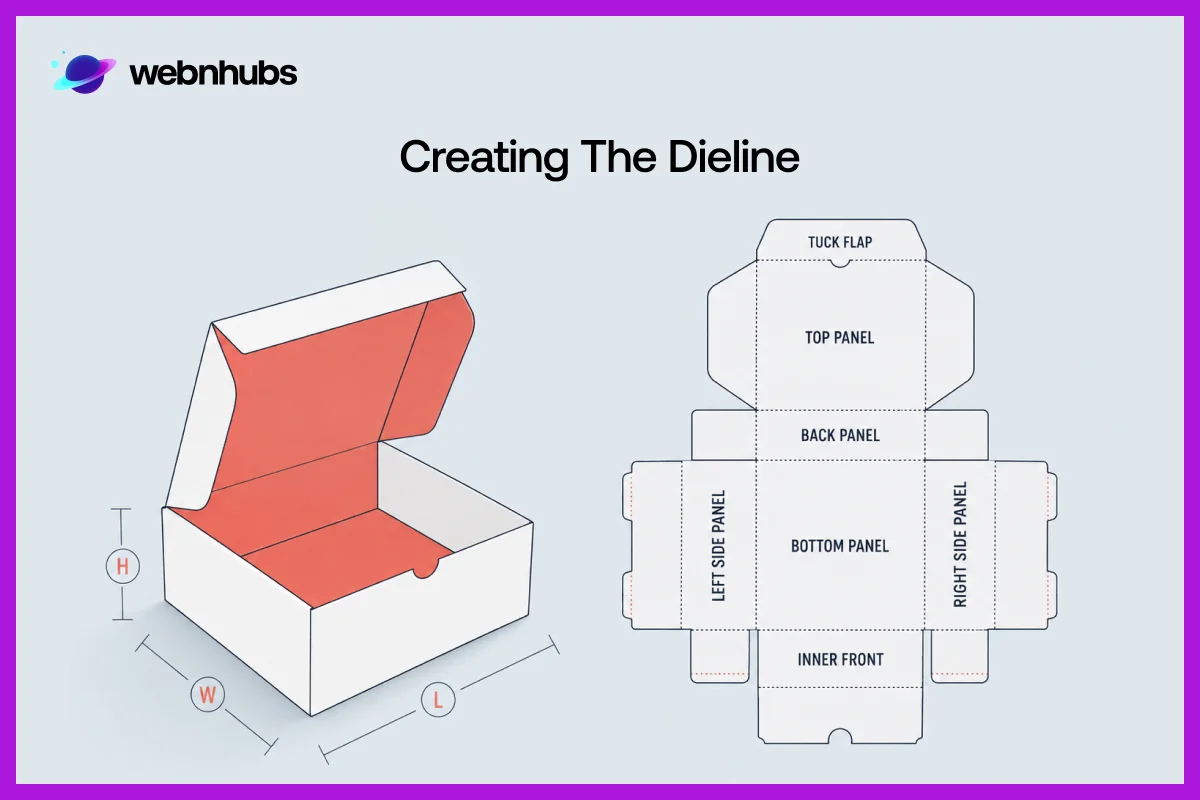
A dieline is the technical blueprint for your packaging. This template is basically an outline that shows where the package will be cut.
It also shows where it will be folded as well as glued and put together when it is made. The package design has to be just right.
This is so the text as well as Logos and pictures all fit in place. If the outline is not right, it can be a big mistake.
It can cost a lot of money. A small mistake can mess up the whole thing. Then you will have to throw away the materials and pay more money.
That is why you have to use the measurements from the start. You should always check with the printer to see what they need before you start making the design.
This way, the package is ready to be made. You will not have to make expensive changes later on. The final package will look and work exactly like you wanted it to.
Designing for Print Production
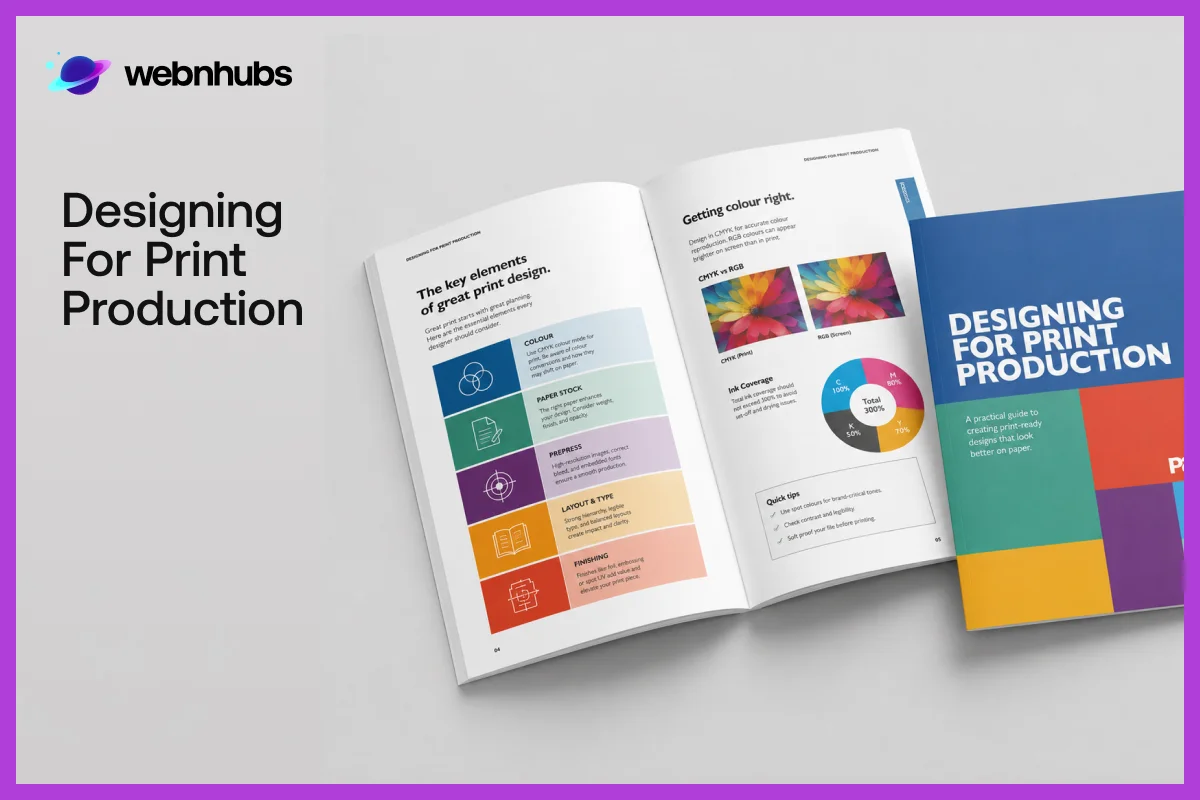
A solid packaging design can still fall apart if it is not prepared properly for printing. A lot of designs created for screens use an RGB color mode. But in professional printing, they usually switch to CMYK. Or they even go for Pantone colors.
So those printed colors can look noticeably different if you do not get the files ready correctly before production. You also need to include bleed, trim lines, and safe zones.
These technical margins help prevent important text, logos, or images from being cut off during printing. Before approving a full production run, always request a physical printed proof.
Seeing the actual package lets you check colors, materials, alignment, and overall quality. It is the best way to catch mistakes before spending money on large-scale printing.
Prototyping and Testing Before You Commit
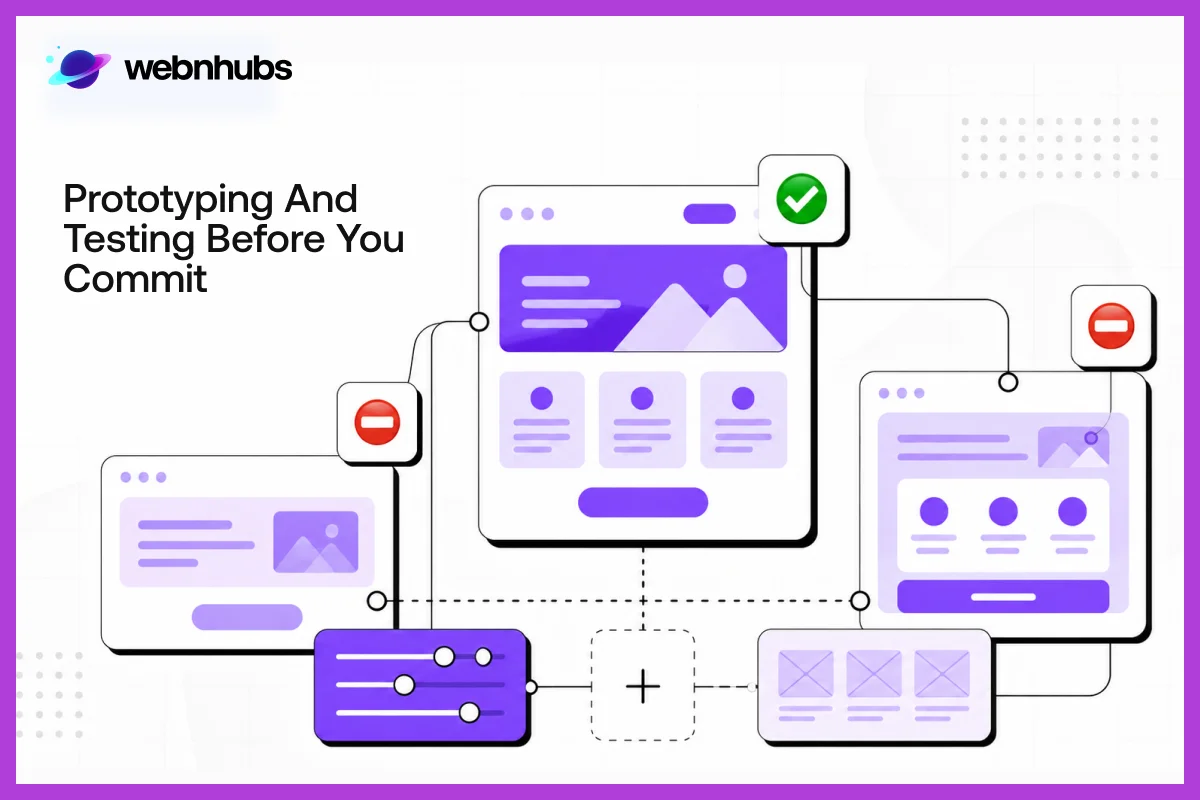
A digital packaging mockup can give you an idea about how your packaging will look. But it is not the same as having a real physical sample in your hands.
When you have the package in your hand, you can feel its weight. You can also check the materials. You can check its size and quality.
That is why you should try using the package in real life to see if it works well. You can send the package to someone to see if it gets damaged during shipping.
You can also try to open the package to see if it is easy to open. More so, you can put the package on a shelf to see if it looks good.
The packaging should protect the product inside. It should also look good in pictures when you sell it online.
When you check the packaging, you can find issues before you start making a lot of them. It is best to ask others what they think about the packaging.
You can ask your friends. Or you can ask the people you work with. You can even ask people who might buy the product.
They might notice things that you did not notice. It could be labels that are hard to understand. Or it can be design problems.
Other people’s opinions help you improve the packaging. This can allow you to create a better experience for folks buying for the first time.
What Are Some Examples of Great Packaging Design
The following are some great examples that you can learn from on how to design packaging for a new product:
Diptiya Tea
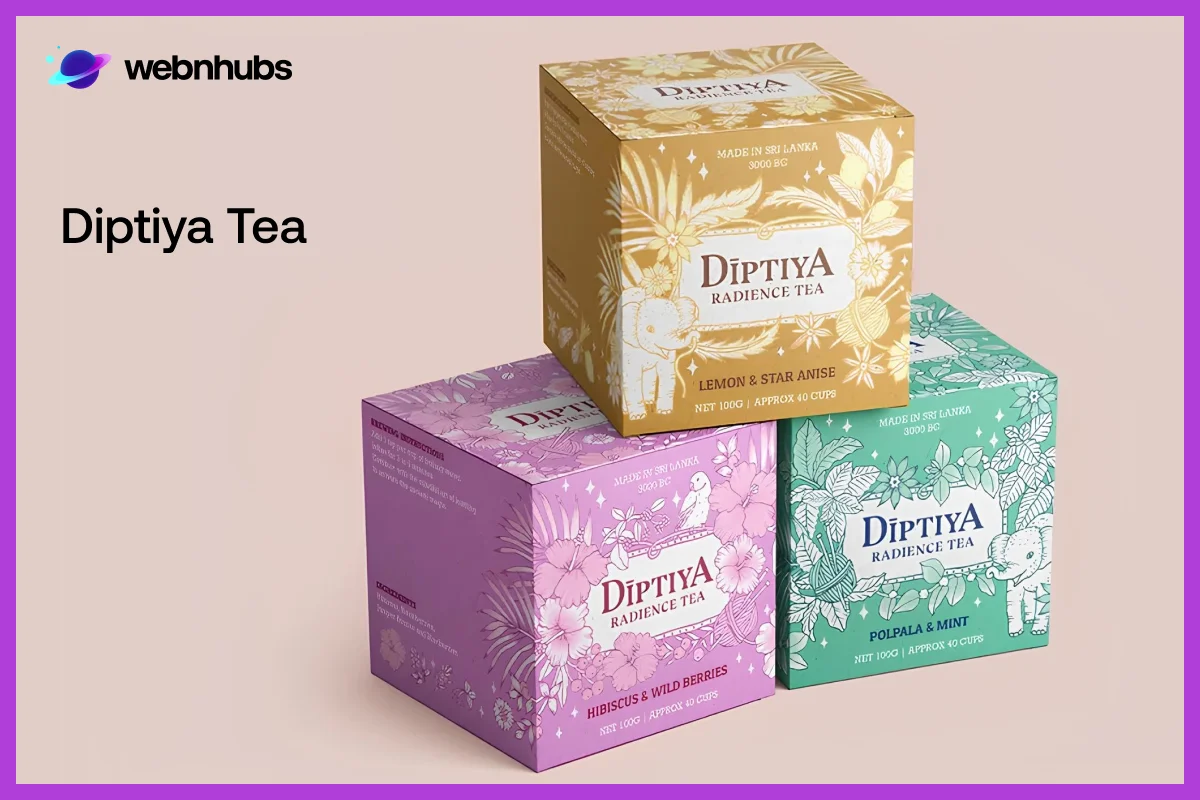
Diptiya Tea stands out with those detailed illustrations that tell its story. The design also tells what’s inside.
There’s a clear visual approach. And the colors feel considered too. The branding is strong in a way that makes it easy to feel something.
But it still shows how the packaging can communicate the product identity. It does that without going overboard and overwhelming the customer.
Pasto Pasta

Pasto Pasta uses vintage inspired artwork. It uses a consistent design system to celebrate its heritage.
It does that in a way that feels slightly more old school than fresh. The packaging balances creativity with straightforward information. It shows unique visuals.
And a good hierarchy makes a product memorable. It does that while still staying easy to understand. The design feels intentional, and not random or messy.
Heist Chocolate

Heist Chocolate uses playful vintage illustrations to make that warm nostalgic vibe. The layout is pretty simple.
The branding is solid. And the overall look really catches your eye. That combo helps it stand out on shelves.
It does that while also showing how storytelling mixed with visual hierarchy can make a small brand feel more premium. It makes it more memorable.
Common Packaging Design Mistakes to Avoid
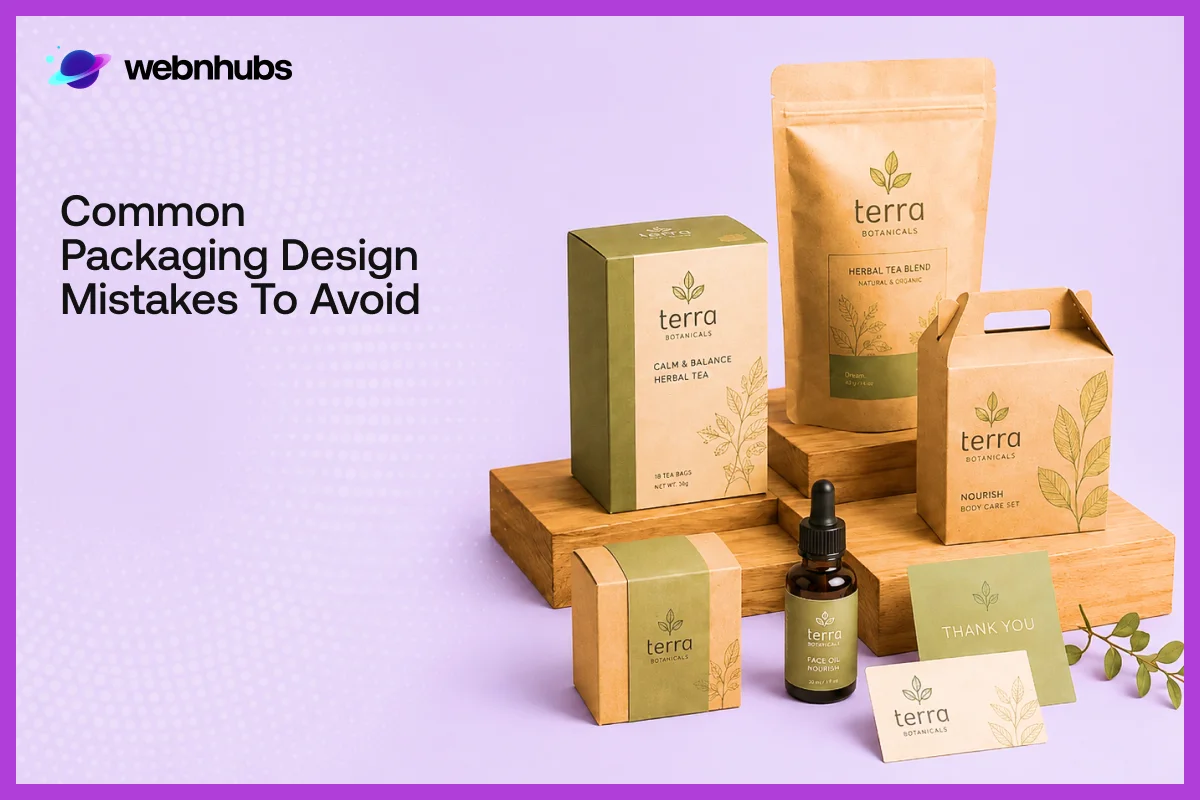
Even if people know how to design packaging for a new product, they still make mistakes. And many packaging problems happen because of these mistakes.
You can easily avoid these packaging Design Mistakes. One big mistake is designing the package to look good on a computer screen.
You need to think about how the package will look in a store. You must think about how it will look in a video when someone is opening it or in a picture online.
Another mistake is not making a prototype of the package. This can cause problems with how the package is made.
And it can cost a lot of money if you have to fix it after you have already made a lot of packages. Some companies try to put too much information on the package.
This makes it hard for people to find the things they need to know. Companies also wait until the end to add important things like ingredients, warnings, or the barcode.
This means they have to make minute changes to the design. Packaging like food packaging or any product packaging needs to be planned from the start.
If you plan carefully, then you can save time and money. You can also avoid getting frustrated with packaging problems.
DIY vs. Hiring a Professional Packaging Designer

DIY packaging tools can be effective when you are starting out with one product and a limited budget. They help you come up with ideas.
You can also test them before spending money on PRO design. DIY options reach their limits as your business expands.
Handling product versions, making correct dielines, and setting up a steady packaging system need more expert knowledge.
If your product will be on store shelves, PRO design can help you stand out. A packaging Designer does more than make things look nice.
They know how to design packaging for a new product. They know how to structure packaging. More so, they know how printing works, what materials to choose, and how to position your brand.
Their experience helps prevent errors. It makes the quality better. More so, they build packaging that helps your business succeed. They do that while giving customers a better experience.
Ready to Create Packaging that Stands Out?
Work with Webnhubs to Bring Your Product to Life!
Get Started With Webnhubs for Packaging Design

Great packaging is really important. It does a lot more than just keep your product safe. That is why Webnhubs offers Packaging Design Services to create a packaging design that ticks all the boxes.
We know how to design packaging for a new product. Our packaging design for small business gets people to buy the product.
This makes people trust your company. It also makes your brand stronger. We help you with everything from start to finish.
So partner with Webnhubs and let us help you make a custom packaging design that looks great and works well.
Final Thoughts
So, there you have it, folks; that is it for this blog on how to design packaging for a new product. As you know, good packaging design is much more than picking colors or making a neat logo. It is a planned packaging design process that brings all things together and makes them tick. It is also about avoiding a lot of problems.
And extra costs happen because of these errors. Therefore, spending time to think through tests and get ready for the packaging can save money. If you want a packaging design that looks clean and works well, you can consider Webnhubs for the job. We will help your brand reach its goals with the print-ready packaging.
Frequently Asked Questions
Start with your audience. Then choose materials and create a structure. After that, design visuals and create a prototype. Then test it and prepare for printing.
Costs vary based on complexity. It also depends on materials and revisions. The project scope also affects the price.
Most packaging design projects take two to eight weeks. But it depends on complexity and testing. It also depends on revisions and production requirements.

Sultan Hanif is a seasoned wordsmith, who brings technology trends and innovations to life through his words. A tech-savvy gamer with a passion for all things football, Sultan blends his technical knowledge with creative storytelling to empower businesses and individuals alike.
