- For Example:
- The Blog Covers…
- Difference Between Landing Page and Homepage
- How a Landing Page Works in Real Life
- What Is a Website?
- Choosing Between Landing Page Vs Website
- Real-Life Landing Page Examples
- Why Landing Pages Perform Better Than Homepages?
- Top 10 Business Websites and Landing Pages Mistakes
- Real Business Scenarios
- The Use of SEO in Landing Page and Websites
- The Smart Strategy the Most Modern Businesses Use
- Next Step for Your Brand
For someone who has been in this field might know the difference between a landing page vs website. But it is also true that still a lot of brands and businesses get confused between both. You can say that both are related but not definitely the same specially when it’s about online recognition.
To protect yourself from making errors which can cost you money, time and effort in the future, do study landing page vs website. A landing page targets one thing. It can either help you generate leads, offer promotion or downloads. On the other side, website works as your online face, shows authority and your product & services, all at one place.
For Example:
Suppose that you are introducing a new online course. Now, if the traffic is towards homepage website, visitors can easily get distracted with other courses or useless information. This can harm conversion rates which is why it is better to have a landing page. A specific page of your website with the message you want to deliver.
This will help visitors direct towards what they’re looking for and what you’re offering. They will consume the information and then take action.
Having an SEO optimized landing page and website is also important. Because imagine knowing what’s landing page vs website but not having it working properly due to bad SEO. So, do take SEO into consideration.
The Blog Covers…
This blog discusses the important difference between landing page and website. It also provides you with an insight on which format to use depending on what you are trying to achieve. You will get to know how landing pages is focused on one goal which can be generating leads, or making offers. Whereas, a website is for brands looking for long-term authority, credibility and better SEO. You will also learn about the related real-life examples, conversion power, and most common mistakes made by a business.
Difference Between Landing Page and Homepage
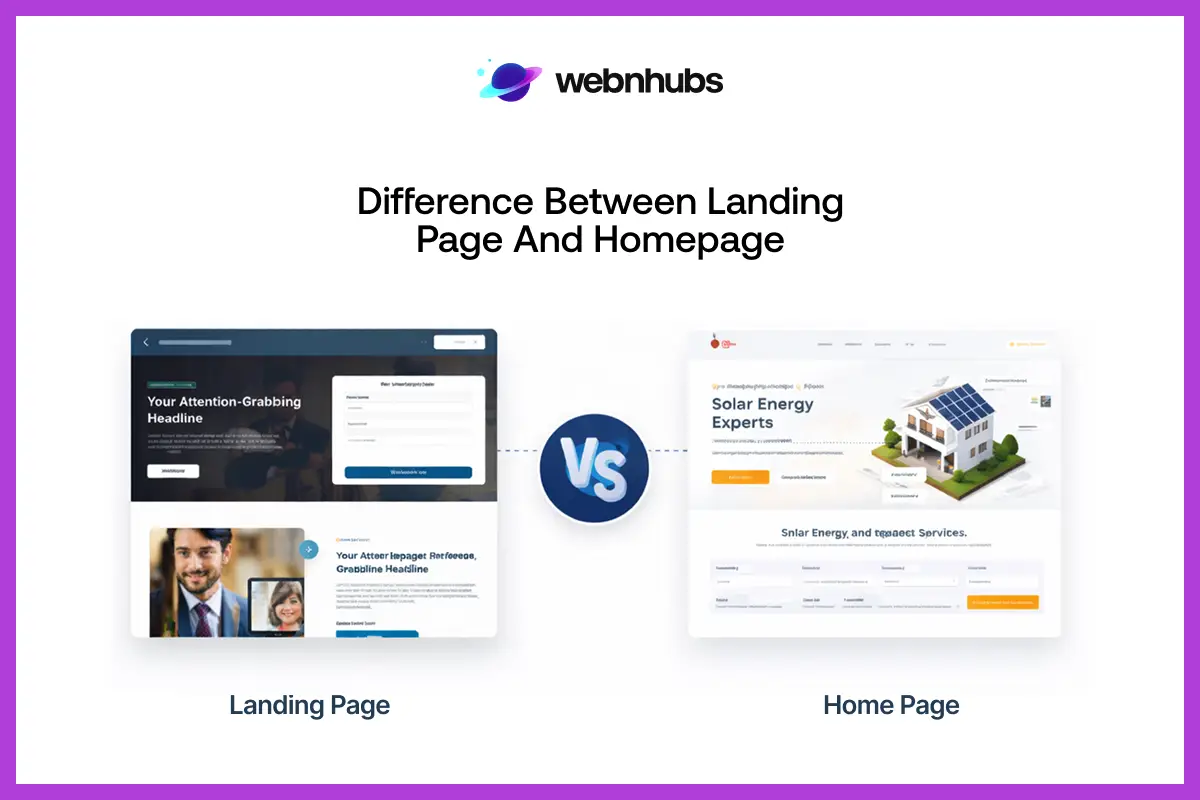
The website is your presence online whereas a landing page is the one that leads users to one particular action.
This sounds easy but still most brands commonly ignore or make errors in landing page vs website difference. A website home page can be used in various ways. It can inform the visitors, sell, create credibility, and aid in ranking among other SEO friendly sites.
A landing page for website eliminates distraction and focuses on driving the visitor towards one goal.
To better understand, think of this scenario where a firm advertises on LinkedIn about a new SaaS product. Now, this can redirect the traffic to the homepage site, which may mislead the users. This issue can be solved if the company goes for web landing page which focuses on product and increase conversion rates.
According to a study, a dedicated landing pages can increase conversion rates by up to 55% compared to the homepage traffic in specific campaigns.
How a Landing Page Works in Real Life
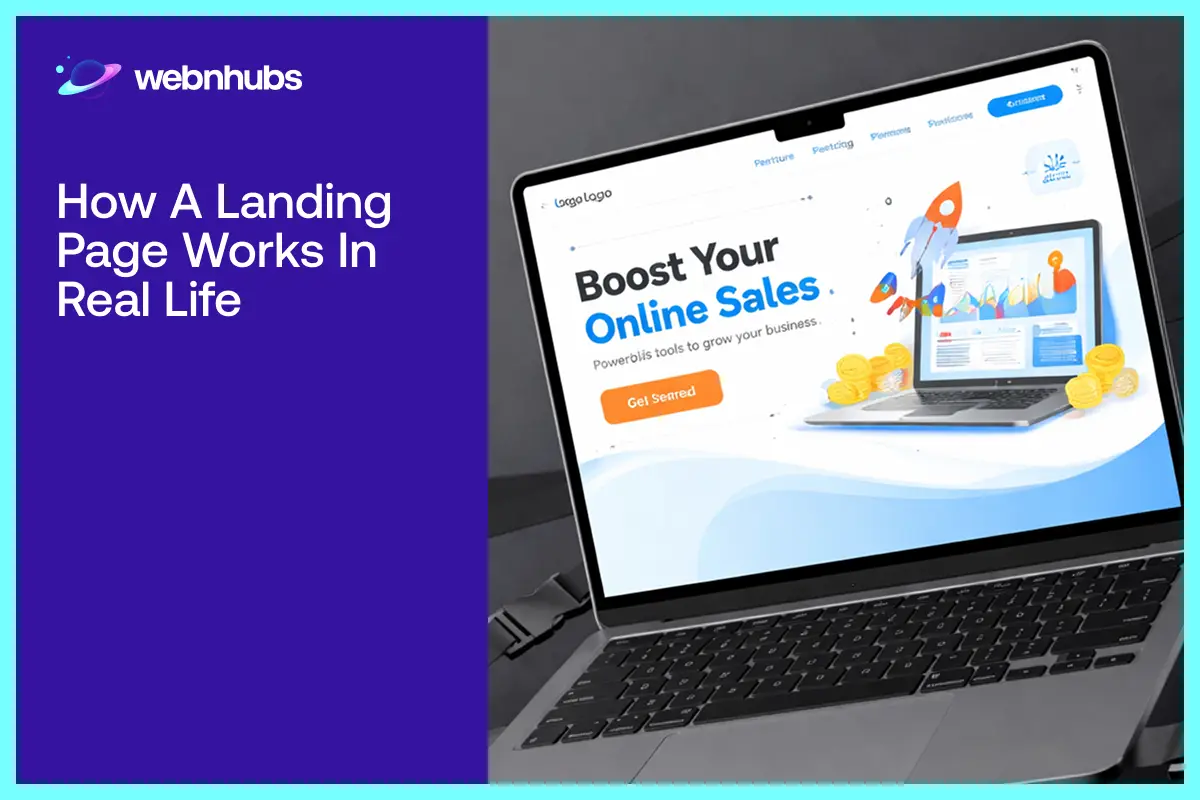
A landing page is business oriented. It does not tell all that your company does, it leads users in one direction. It could be gathering emails, a free trial, or an app download by eliminating any irrelevant links and options.
For example, a startup advertising a webinar in which marketing landing pages will showcase the importance of attendance, a registration form and a distinct CTA. This will have no side bars, no additional links, and simply target content. Such pages are more effective when combined with paid campaigns, email marketing, or social media ads.
According to HubSpot statistic report, businesses with 40 or more landing pages generate 12 times more leads compared to those who have 1-5.
What Is a Website?
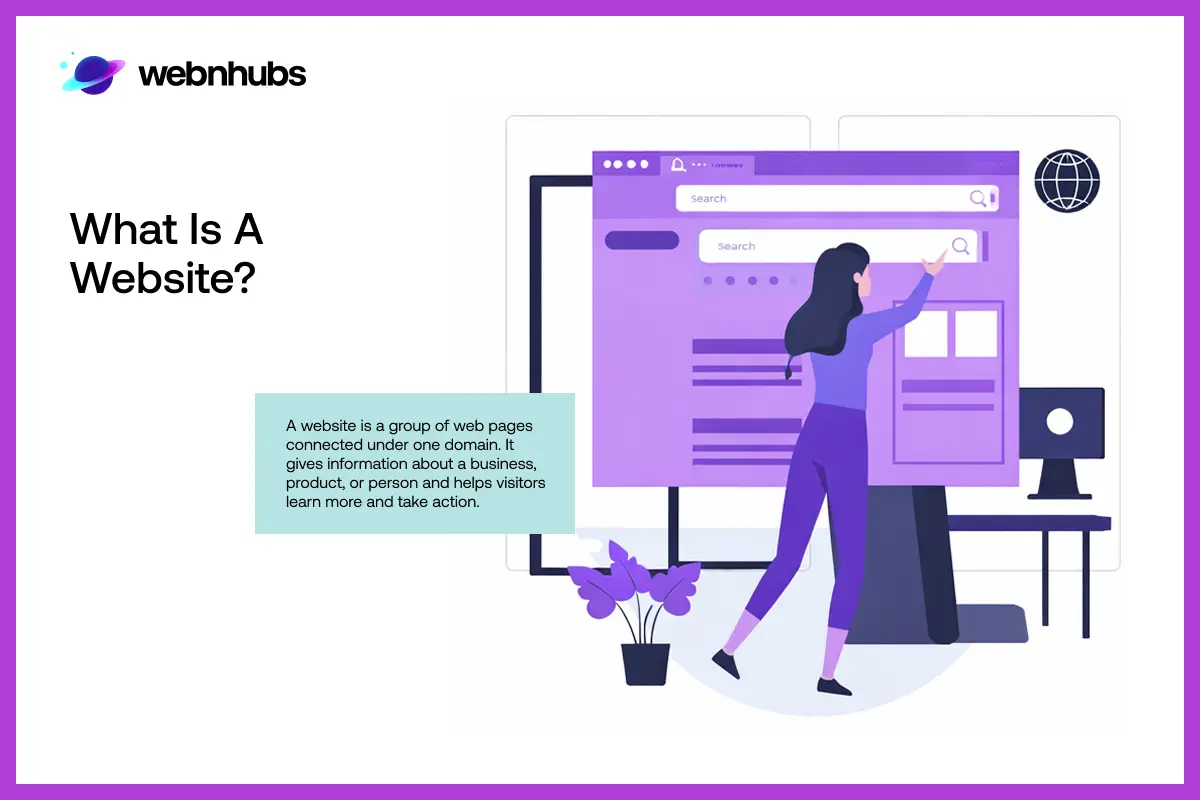
It is your online presence that features the entire range of services that your brand offers. A website is a great tool to create authority and maintain credibility. It also assists in long-term optimization unlike a landing page that focus on one objective.
Whenever you visit a brand website, you get to see a About Us, Services, Portfolio, Blog and Contact page. This is basic yet important information that help visitors trust you.
There is also a long-term marketing role of websites. The act of publishing blogs, guides, and case studies, the businesses get organic search traffic, cultivate leads, and develop trust.
According to BrightEdge, 53% of the traffic on websites comes from organic searches. This is more than half of the total search results. It shows why you can’t ignore having a website and its SEO for better visibility.
Choosing Between Landing Page Vs Website
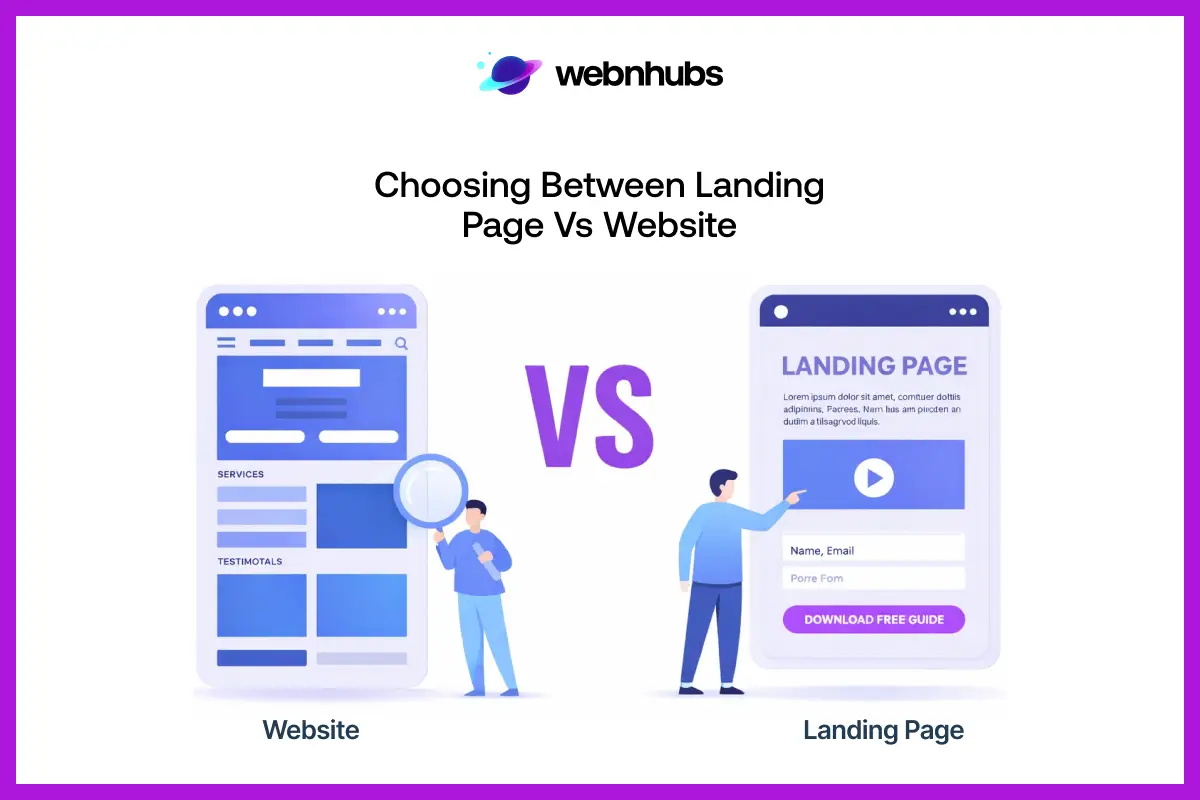
It all depends on your objectives and what level of your marketing strategy you are at. That is why you need to decide between a homepage vs landing page or a full site. The landing page is ideal in case you need quick results i.e. maybe grabbing leads quickly, launching a targeted campaign or marketing a single product or offer. Because of its single focus, it enables the visitor to take action without distractions, which makes it best in short term campaigns or paid advertisements.
A site on the other hand is a larger presence on the internet. It creates brand authority, generates organic traffic and presents a variety of services or products. A homepage site provides your customers with a background about your business, shares your brand story, and builds long-term credibility.
Think of this Scenario
Suppose that a startup is releasing one product. Rather than directing the potential customers to a messy site, a special landing page of website campaigns will direct visitors to take an action. For locals, a website will do wonders by building trust and credibility. However, the smartest thing to do is use both the website and a specific landing page. This will help brand remain authentic while redirecting ad traffic to specific landing pages.
Knowing the specific functions of a landing page vs website, your business can select the appropriate layout at every phase of the customer journey. This will keep your marketing initiatives effective.
Want to convert visitors into customers?
Get free consultation from Webnhubs and create high converting landing pages and powerful websites that complement each other.
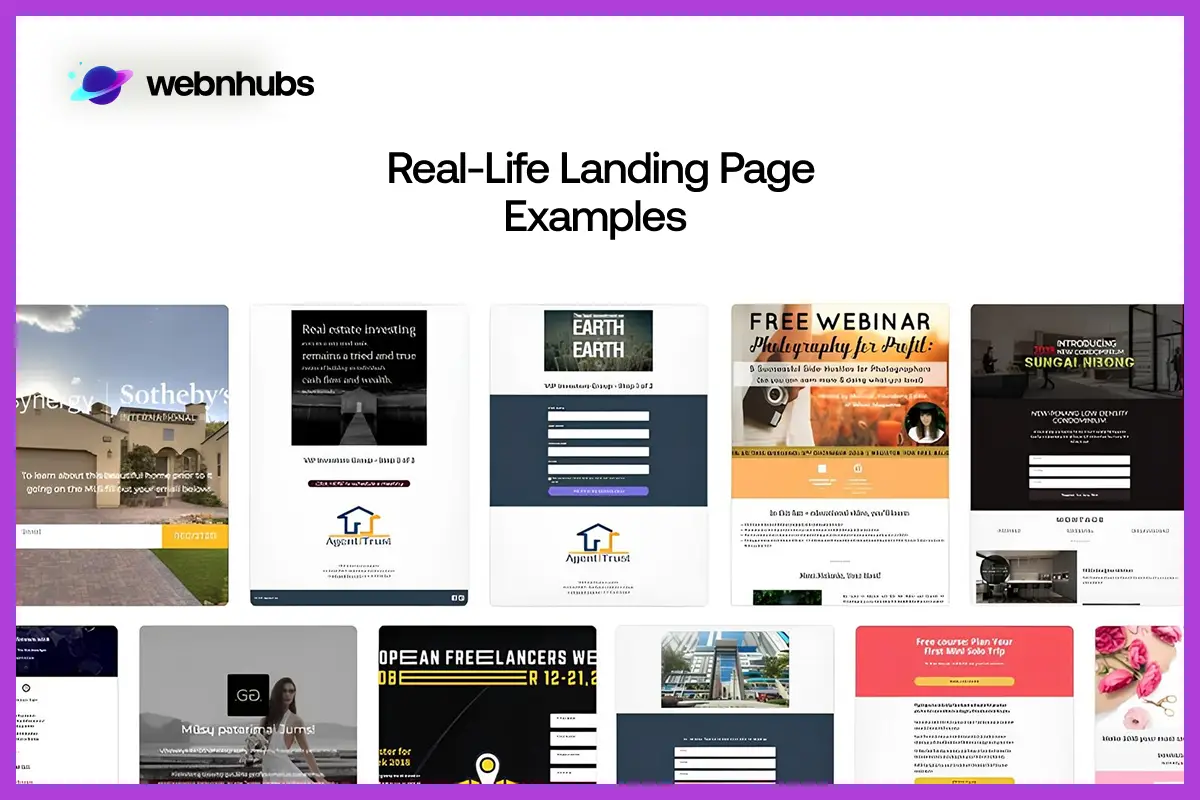
Real-Life Landing Page Examples
Peloton
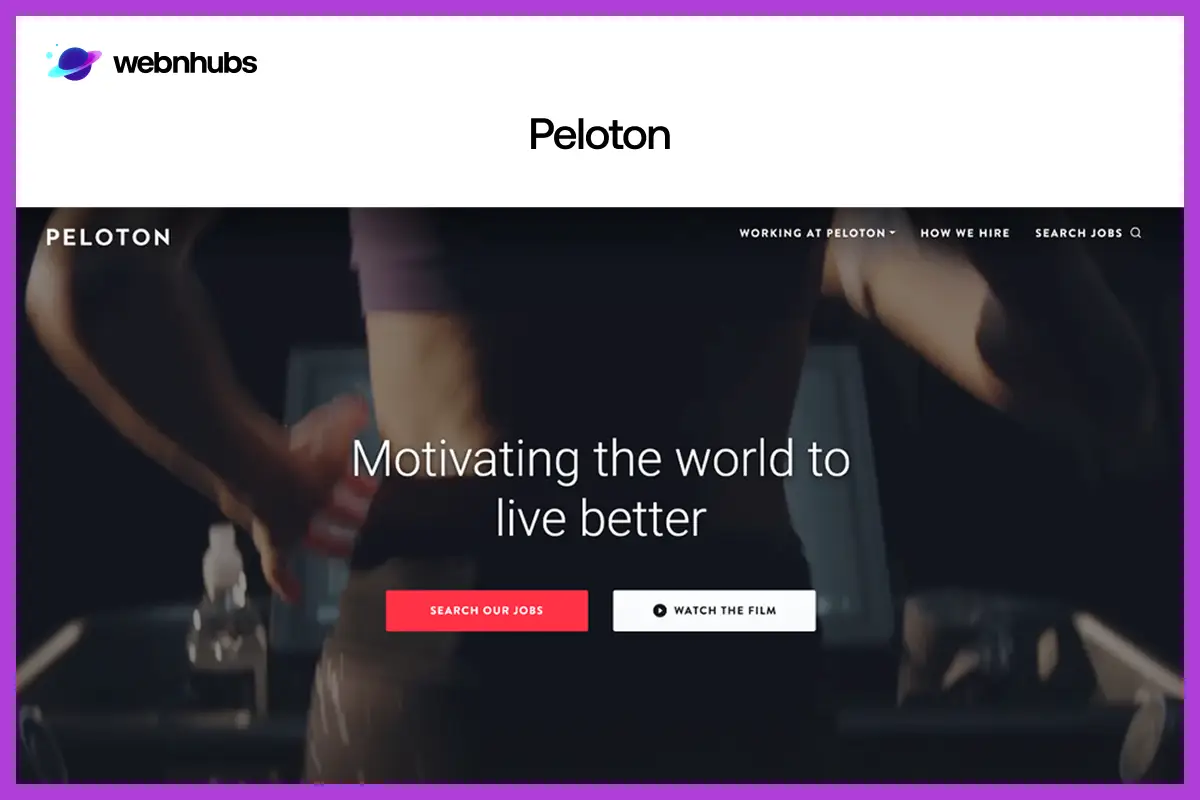
The brand introduces new fitness or seasonal offers and for that they create specific landing pages on their websites. Rather than referring customers to a large site with a wide range of offerings, they focus on directing them to a single product. This landing page is that redirection that has that offer. It could be a 30-day free trial of a particular exercise program.
When the visitors land on that page, they will see the benefits. For more information, they might end up to a site and read customer feedbacks before signing up.
The whole idea of landing page is to help visitors grasp offers quickly and take action. And in all this, a website allows the visitor to browse other products, membership, and content.
Airbnb
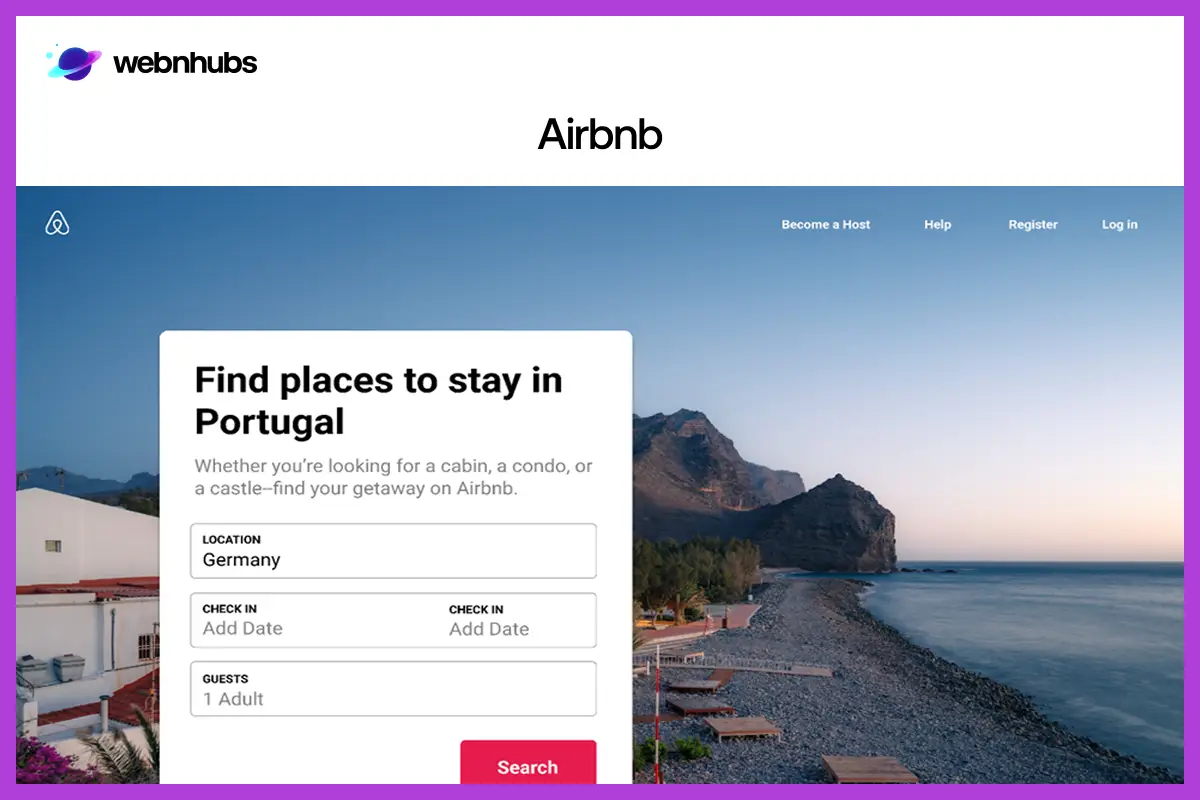
Landing pages are also frequently used by Airbnb to display seasonal offers or destinations. They design a landing page with beautiful images of destinations, pricing map, reservation buttons and attracting CTAs to compel visitors.
The visitors study what promotion covers and makes bookings without being distracted by other listings.
They also link their primary website in case visitors want to explore more. Now, travelers get a see a broader range of options to plan future outings. This keeps Airbnb authoritative while also keeping its SEO value.
Dropbox
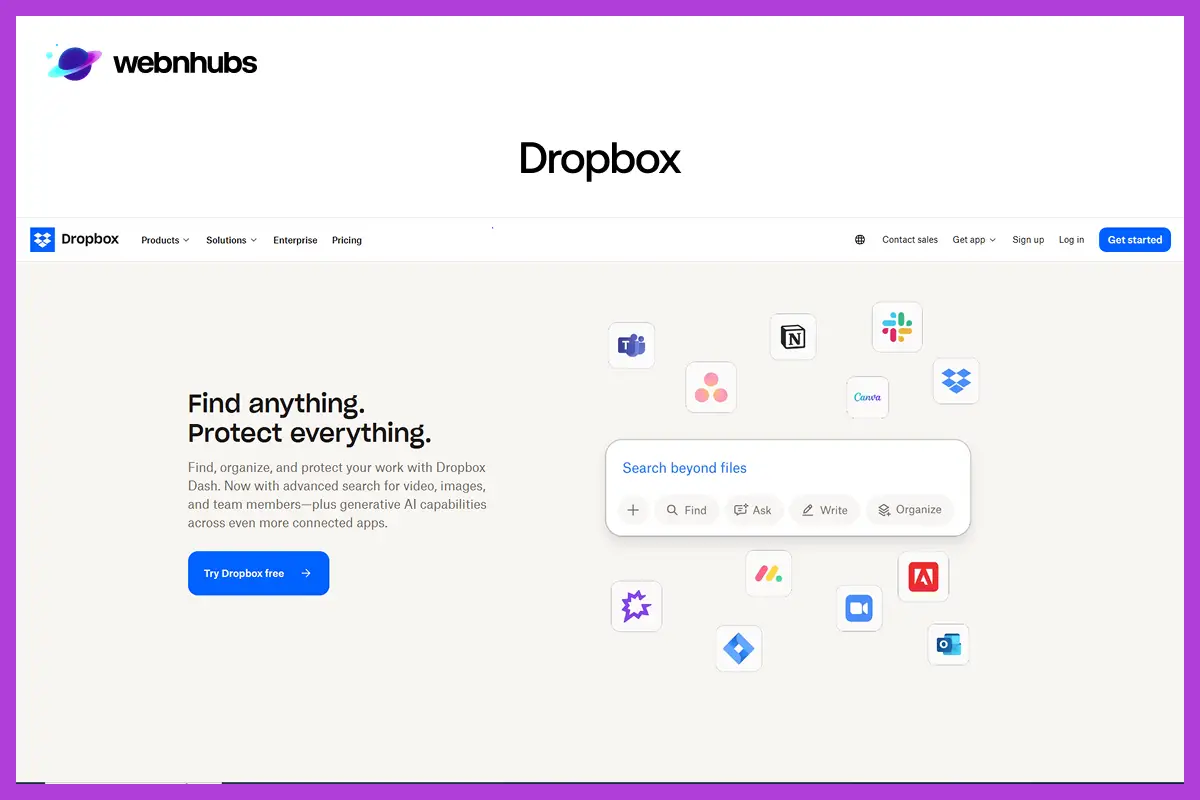
They make use of landing pages to direct users mainly students and startups towards a special offer. At the bottom of every page, there will be benefits for that specific audience. There will be CTAs and Register Here button to make people click.
When the site is clean and structures, it maximizes conversions. Dropbox make landing pages to serve customers with what they want. By removing any useless information, they add link of a site as well to serve customers with affordable pricing, add-ons and other information.
Canva
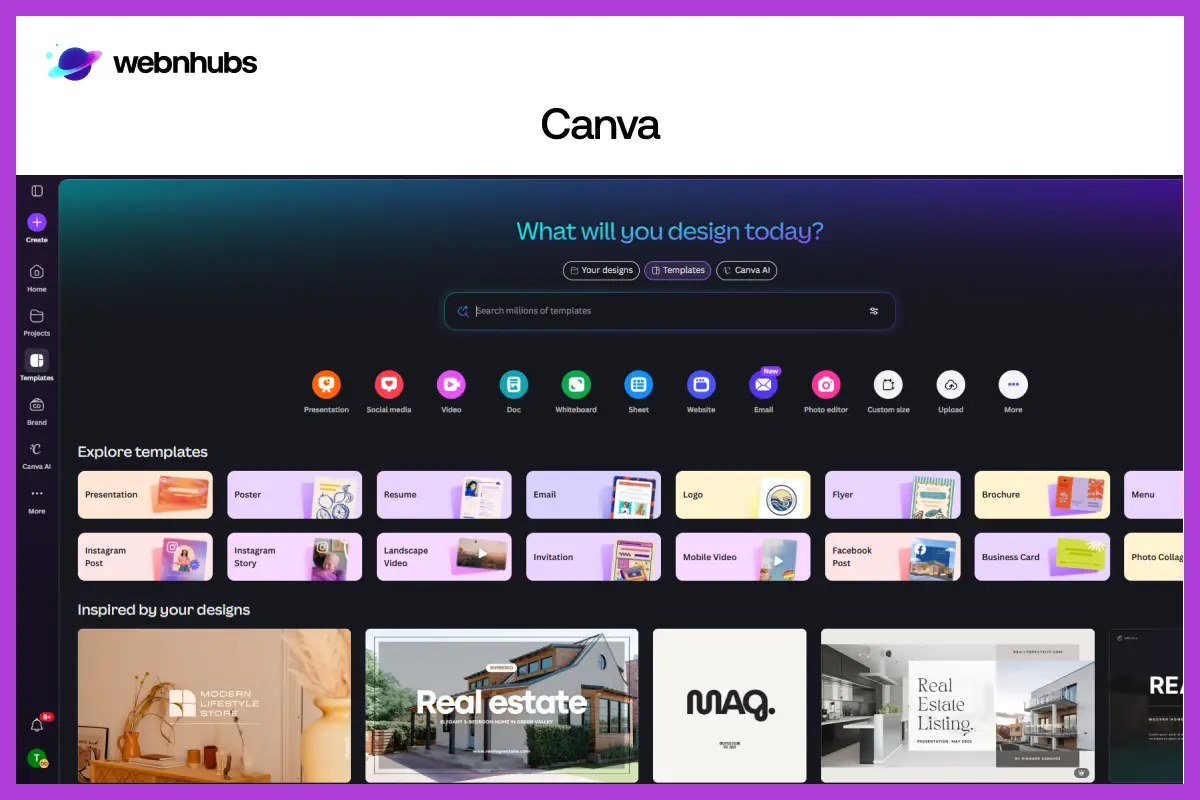
The Canva free trial or new feature launch landing pages are all about displaying the instant value to the users. The page shows the benefits of the feature, provides short examples, and contains a clear button to begin the trial. Customers do not need to browse through templates, blogs, or their websites to get all the necessary details. In the meantime, the primary site of Canva has more details concerning the subscription plan and tutorials, as well as branding materials.
Why Landing Pages Perform Better Than Homepages?

Landing page vs home page, they are a part of the same thing but serve different purpose. One leads users to that end- goal, whether it is registering, downloading, or buying. This eliminates distractions that might lose visitors.
The other is website which is multi-purpose. It has all the information. Here, you can promote services, and generate long-term traffic. Websites play an important role in credibility and SEO but it is different than a landing page because it does not direct visitor to perform a particular activity.
For Example:
Suppose an online brand is on a holiday offer. To promote that offer, they will set a specific landing page which is going to promote it. It will have exciting and unique CTAs which will make quick sales.
Now, if someone wants to explore the brand, there is a website for it. A web homepage that is going to build trust by displaying all the necessary information
Top 10 Business Websites and Landing Pages Mistakes
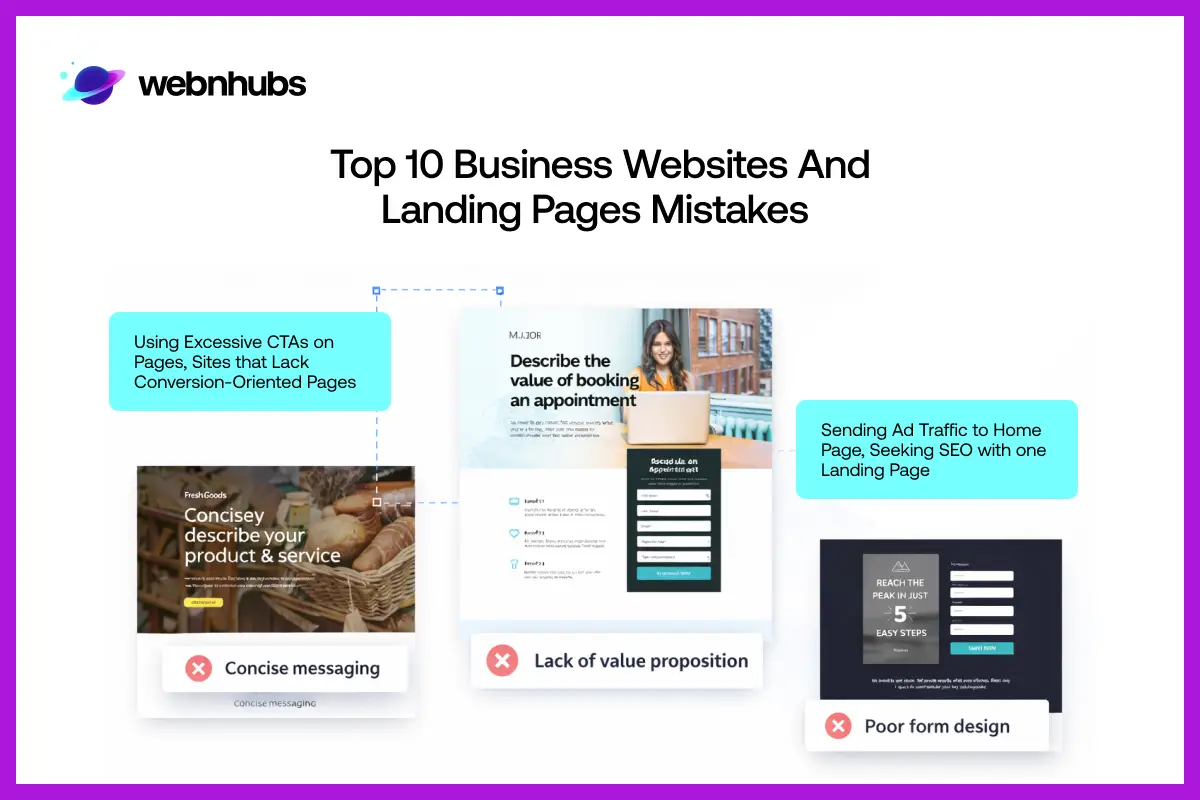
Sending Ad Traffic to Home Page
One of the biggest errors is directing campaign visitors to the homepage rather than to a special landing page. For example, if you’re a startup promoting ad of a free webinar and want a lot of signups. Then you must direct them a specific land page rather than a whole website.
This is because you don’t want to overcrowd and confuse them with a lot of services and homepage has that. If don’t have a particular landing page where they can sign up, it will result in loss of focus and conversions.
Seeking SEO with one Landing Page
Landing pages are created to convert rather than rank with a large number of keywords. A one-page site will never substitute a complete site in terms of longer-term SEO. Your visibility will not be good without blogs, multiple pages and good internal linking.
Using Excessive CTAs on Pages
Other websites and landing pages attempt to do everything at the same time. Excessive buttons, links or pop-ups confuse visitors, slows down the decision making process and the conversions. Less is more: it is best to have one thing on a page.
Sites that Lack Conversion-Oriented Pages
A well-designed site will not work unless the pages can direct the visitors to certain actions. Each page must be a goal: be it gathering of emails, making a call, or making a purchase. Having a sense of direction enhances involvement and ROI.
Let Webnhubs Guide Your Success.
Allow Webnhubs to advise you the correct plan to achieve your business objectives.
Real Business Scenarios
It is one thing to know theory and quite another thing to see it working. Let us take some real-life examples:
Launching a New App by Startup: They can prepare a marketing landing page in website that concentrates on those who want to be the first to download the app. When the momentum gathers, a full Web site displays functions, testimonials, pricing schemes and long-term content.
Local Service Business: To start with a boutique store, the initial step is to have a website homepage that display products, location and contact details. If you aim to display offers, you can create a landing page which will promote those seasonal campaigns.
Ecommerce Landing Page Examples: A fashion store that organizes a summer sale directs the ad traffic to a specific sales page. In that page, they will present some of the products with clear call to action. There will also be an ecommerce website with complete information related to size guides, brand narrative, and collections.
Saas Company Nationwide: Every marketing campaign will have its own landing page serving different audience segments. But there will also be a corporate website with information displaying consistent brand voice.
The Use of SEO in Landing Page and Websites
It is important to know what a landing page is in SEO. Even landing pages are able to rank on certain keywords, provided that they are properly optimized. Nevertheless, organic reach is often limited because of their limited content. Websites, on the other hand, offer more pages, blogs and structured information improving the performance of SEO in the long run.
Think about this: a home page of a site that focuses on digital marketing services generates organic traffic, whereas the specific website landing page focuses on niche offers such as free SEO audit or email marketing guide. They combine both short-term leads and long-term organic traffic.
The Smart Strategy the Most Modern Businesses Use
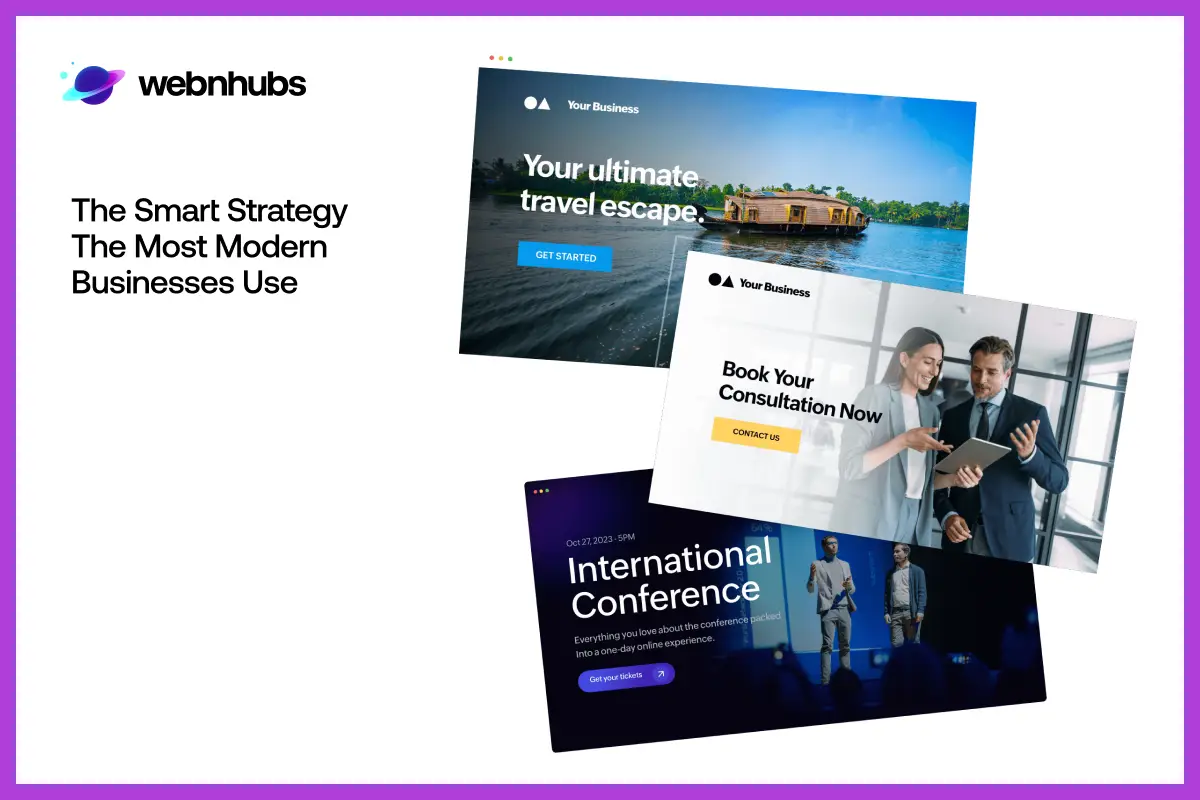
Businesses that succeed tend to have no choice between a landing page approach and a website. They are using the two since they serve different phases of customer journey. Website creates trust, and visibility whereas, landing pages convert interested visitors in to leads.
It is true that not all traffic is directed in the same direction. Individuals who arrive through search engines tend to visit information sites. Repeat visitors normally visit the home page of the site to get the information about the brand.
Ad traffic will however be channeled to a targeted marketing landing page that will only have one objective. This platform explains what is landing page in SEO within a full digital presence.
It is important for brands to have both, a website and different landing pages for different campaigns. One will provide with authority and the other with better conversion. These two combine to offer better visibility and engagement.
Conclusion
It is uncommon to see online growth via a single type of page. It is based on the way pages complement one another. Both the landing page vs website has different goals. The collaboration of the two keeps marketing organized rather than scattered.
Growing business will never consider the option between website vs landing page. They design a journey. Visitors learn about the brand via search and content, react to targeted offers and visit a familiar form of digital presence. This is a flux that changes interest into knowing, knowing into doing.
The actual winning point is clarity. Be transparent with your audience. This will keep the communication clear and easy, allowing users to make quick decision. And when users convert into customers, you and your business expand like anything.
Next Step for Your Brand
Want to see more conversion rates and your sales landing page to do better, contact Webnhubs. We can help you achieve quick results and long term recognition. Contact now!

Hafsa Hanif is a talented content writer at WebnHubs, specializing in topics such as graphic design, web design and development, logo design, and animation. With her deep understanding of design principles and creative processes, Hafsa crafts engaging, informative, and SEO-optimized content that resonates with readers. Her expertise in SEO ensures that her articles not only captivate audiences but also rank well on search engines, helping businesses boost their online presence through compelling design-focused narratives.
